SCADA Control Systems & Remote Monitoring
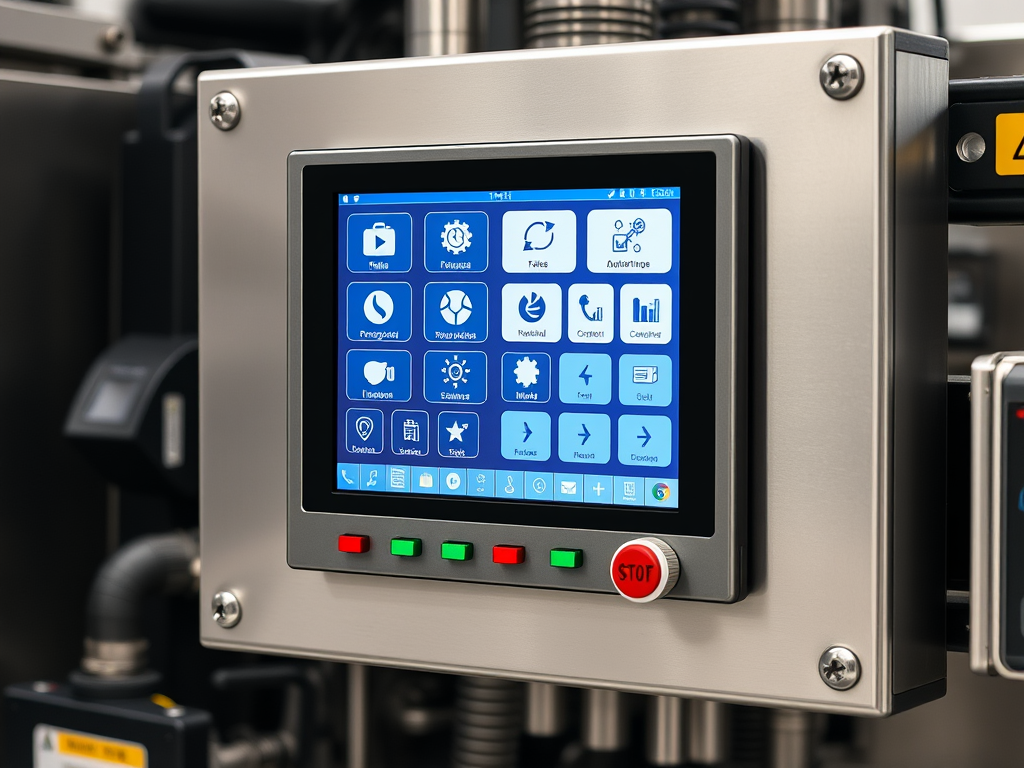
Water treatment facilities and utilities require reliable automation systems that can operate unmanned whilst providing comprehensive monitoring and control capabilities. We understand the critical nature of these systems and the importance of regulatory compliance and environmental protection.
As specialists in control and automation for critical infrastructure, we deliver SCADA and telemetry solutions that ensure reliable operation, regulatory compliance, and optimal efficiency across distributed water and utility assets.
Our Control & Automation Expertise
SCADA Systems for Water Treatment
Modern water treatment operations demand centralised monitoring and control capabilities that enable efficient management of complex processes whilst ensuring consistent water quality and regulatory compliance.
Our Expertise Includes:
SCADA systems for remote monitoring and control of distributed assets
Water quality monitoring and automatic chemical dosing systems
Pump control systems with variable frequency drives for energy efficiency
Telemetry systems for remote site monitoring and alarming
Integration with existing asset management and maintenance systems
Cybersecurity solutions protecting critical infrastructure
Water Treatment Process Control
Treatment Plant Automation:
- Automated control of filtration, disinfection, and chemical dosing processes
- Real-time monitoring of turbidity, pH, chlorine levels, and flow rates
- SCADA integration linking sensors with control actuators for optimal water quality
- Alarm systems for critical parameters including contamination detection and equipment failures
Distribution Network Management:
Emergency response systems for rapid isolation and service protection
Remote telemetry monitoring reservoir levels and pipeline pressures
Automatic leak detection through pressure monitoring and flow analysis
Pump station control with variable speed drives for energy optimisation
Remote Monitoring Solutions
Unmanned Site Operations:
- 24/7 remote monitoring of pump stations, treatment plants, and storage facilities
- Automatic alarm systems for equipment failures, quality deviations, and security breaches
- Mobile and email alerting for critical conditions requiring immediate response
- Remote control capabilities enabling operator intervention from central control rooms
Data Collection & Reporting:
Energy consumption monitoring and efficiency reporting
Comprehensive data logging for regulatory compliance and operational analysis
Automated report generation for environmental agencies and operational management
Historical trending for process optimisation and predictive maintenance
Common Challenges We Address
Manual Monitoring Costs:
Remote installations requiring regular site visits for monitoring and control, increasing operational costs and response times for critical situations.
Water Quality Inconsistency:
Manual chemical dosing systems leading to water quality variations, potential compliance issues, and increased chemical consumption through over-dosing.
Regulatory Reporting Gaps:
Lack of comprehensive real-time data collection making it difficult to demonstrate compliance with environmental regulations and water quality standards.
Energy Inefficiency:
Pump systems operating at fixed speeds regardless of demand, leading to excessive energy consumption and higher operational costs.
Cybersecurity Vulnerabilities:
Critical infrastructure systems exposed to cyber threats due to inadequate network security and outdated control systems.
Equipment Failure Response:
Limited diagnostic capabilities making it difficult to predict equipment failures or respond quickly to system problems. Unreliable communication systems between remote sites and central control, leading to operational blind spots and delayed responses.
The Benefits of Modern SCADA Systems
Operational Efficiency
Centralised monitoring and control reduces the need for manual site visits whilst enabling rapid response to operational issues and equipment failures. Redundant communication systems and automated backup procedures ensure continuous operation even during equipment failures.
Consistent Water Quality
Automated chemical dosing and process control ensures consistent water quality whilst optimising chemical usage and reducing waste.
Regulatory Compliance:
Comprehensive data collection and automated reporting systems ensure compliance with environmental regulations and provide audit trails for regulatory inspections.
Energy Cost Reduction
Variable frequency drives and intelligent pump scheduling reduce energy consumption by matching pump operation to actual demand patterns.
Enhanced Security:
Modern cybersecurity measures protect critical infrastructure from cyber threats whilst enabling necessary operational connectivity.
Predictive Maintenance:
Modern control architectures support quick changeovers between products and adapt easily to changing production requirements.
MES integration connects production data with planning and quality systems, improving overall operational visibility.
Our Approach to Utility Automation
Assessment & Design
We begin every project with comprehensive assessment of existing infrastructure, operational requirements, and regulatory obligations. Our designs balance operational needs with cybersecurity requirements and future expansion capabilities.
Phased Implementation
Critical utility systems require careful implementation to avoid service disruptions. We use phased approaches that maintain operational continuity whilst upgrading systems incrementally.
Cybersecurity Integration
Modern utility systems require robust cybersecurity measures. We implement layered security approaches including network segmentation, secure communications, and access controls appropriate for critical infrastructure.
Training & Support
Comprehensive training ensures operators can effectively use SCADA systems for both routine operations and emergency response. Our ongoing support includes system maintenance, security updates, and performance optimisation.
Key Technologies & Applications
Communication Systems:
- Cellular, radio, and fibre optic communications for reliable remote connectivity
- Redundant communication paths ensuring continuous monitoring capabilities
- Secure VPN connections protecting data transmission
Control Systems:
- Industrial PLCs designed for continuous operation in harsh environments
- SCADA software platforms providing intuitive operator interfaces
- Historian systems for long-term data storage and analysis
Monitoring Equipment:
Level sensors for tank and reservoir management
Water quality analysers for real-time measurement of critical parameters
Flow metres and pressure transmitters for hydraulic monitoring
Why Choose Utility Automation Specialists?
Water treatment and utility operations have unique requirements that demand specialist knowledge of both process control and regulatory compliance. Our approach combines:
Industry Experience: Deep understanding of water treatment processes, environmental regulations, and utility operational requirements.
Technical Expertise: Comprehensive knowledge of SCADA systems, industrial communications, and cybersecurity for critical infrastructure.
Compliance Knowledge: Understanding of regulatory requirements and data collection needs for environmental compliance and reporting.
Security Focus: Expertise in protecting critical infrastructure whilst enabling necessary operational connectivity and remote access.
Ready to Discuss Your Requirements?
Water treatment and utility operations face increasing demands for efficiency, reliability, and regulatory compliance. Whether you’re looking to implement SCADA systems, upgrade existing control infrastructure, or enhance cybersecurity measures, we understand the critical nature of your operations.
Modern automation systems can significantly reduce operational costs whilst improving service reliability and regulatory compliance. Our experience with utility automation ensures implementations that meet operational requirements without compromising security or reliability.
Contact us today to discuss how our SCADA and automation expertise can enhance your water treatment and utility operations.
 Welcome To Sull Systems