Machine Vision & PLC Integration
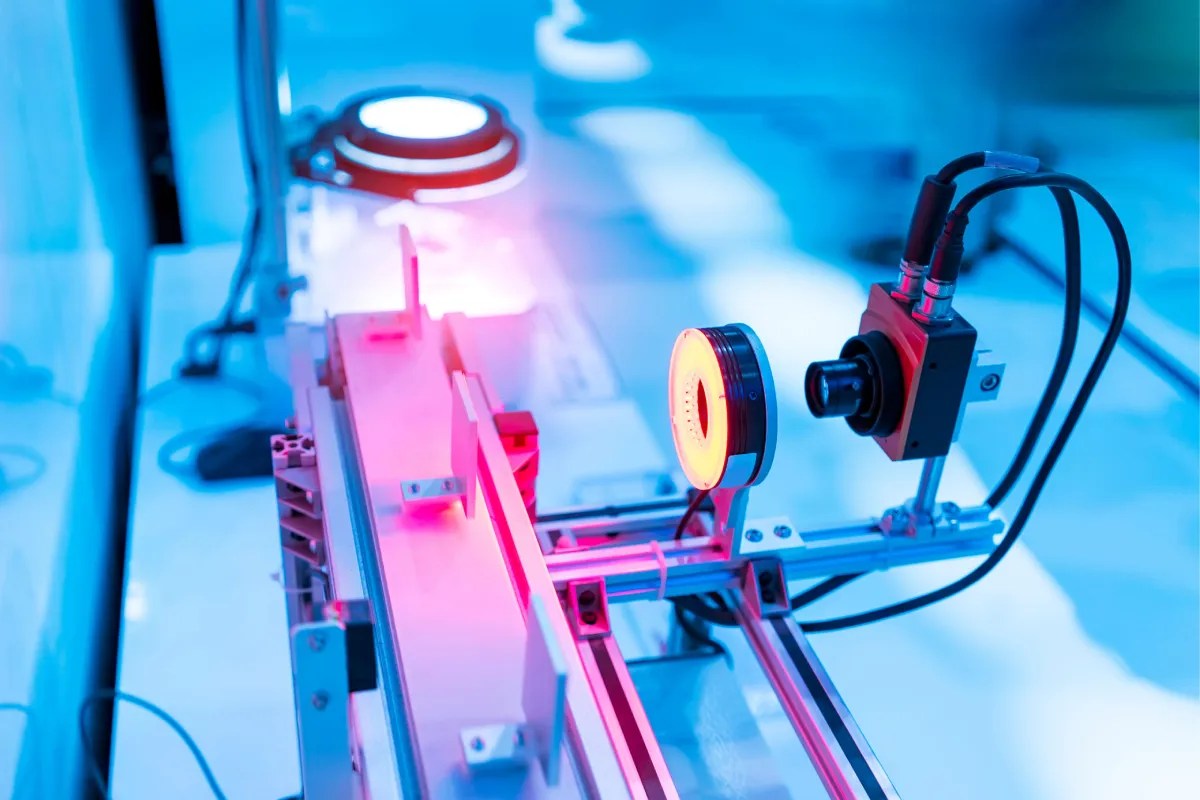
Modern manufacturing and FMCG operations increasingly rely on machine vision systems integrated directly with Programmable Logic Controllers (PLCs) to automate critical inspection and identification tasks. These integrated systems combine the processing power of PLCs with the visual inspection capabilities of cameras to deliver real-time monitoring and control.
What is PLC Integrated Vision?
PLC-integrated vision systems combine industrial cameras with programmable logic controllers to automate inspection and decision making.
Rather than operating as standalone systems, the vision components communicate directly with the PLC infrastructure, enabling effortless process control based on visual data.
This tight integration allows for real-time decisions, higher throughput, and simplified programming where vision becomes an extension of the PLC control environment.

Key Advantages
PLC-integrated vision systems combine industrial cameras with programmable logic controllers to automate inspection and decision making.
Rather than operating as standalone systems, the vision components communicate directly with the PLC infrastructure, enabling a structured process control based on visual data.
This tight integration allows for real-time decisions, higher throughput, and simplified programming where vision becomes an extension of the PLC control environment.
Key Applications in Manufacturing
Product Tracking & Traceability
Our PLC-integrated barcode and QR code reading systems scan products at critical production stages, logging serial numbers and lot codes directly to your control system. This creates a complete data trail following each item through production and into your supply chain.
When linked to your PLC network, these vision systems enable immediate tracking and process decisions based on code information, ensuring every product is properly documented and routed.
Defect Detection & Quality Control
We implement AI-enhanced vision systems that directly communicate with your PLC infrastructure to automate quality inspection. High-resolution cameras detect scratches, dents, color variations, and other defects that human inspectors might miss.
When a defect is identified, the vision system signals the PLC to trigger appropriate action whether rejecting the item, alerting operators, or adjusting upstream processes to prevent further issues.
Packaging & Label Verification
Our PLC-linked vision systems verify packaging integrity and label correctness in real time. The cameras inspect labels for presence, position, and content, performing OCR to verify printed text like expiration dates or lot codes.
The PLC can immediately divert any package that fails inspection, preventing mislabeled or improperly sealed products from reaching customers and protecting your brand reputation.
Assembly Verification & Counting
Our PLC-vision integration ensures all parts are present and correctly oriented in assemblies. Smart cameras confirm component placement and count items in multi-packs, sending verification signals directly to the PLC.
This integration prevents assemblies with missing or misaligned parts from advancing, reducing defects and customer issues while maintaining high production speeds.
Our PLC Vision Integration Solutions
At Sull Systems, we specialise in creating well structured connections between industrial vision systems and PLC control environments. Our solutions include:
PLC-Native Vision Integration
We implement vision systems that work directly within your PLC programming environment:
Integration with Siemens SIMATIC PLC using the MV series of code readers and vision sensors
Allen-Bradley ControlLogix and CompactLogix integration with Cognex In-Sight and DataMan systems
Native vision function blocks for direct programming in your PLC environment
Real-time data exchange between vision systems and PLC controls
Vision results accessible directly in PLC tags and memory
Multi-Vendor Vision Systems
We work with leading vision system providers to deliver the right solution for your specific application:
Cognex: In-Sight smart cameras and DataMan barcode readers with direct PLC connectivity
Keyence: User-friendly vision systems with straightforward PLC integration
Siemens: SIMATIC MV series for effortless integration with Siemens control systems
Custom Solutions: Integration of specialised cameras and sensors with your existing PLC infrastructure
Communication & Interface Solutions
We provide robust communication pathways between vision systems and PLCs:
EtherNet/IP, PROFINET, and other industrial network integration
OPC UA server implementation for standardised data exchange
Custom communication drivers and interfaces when needed
Middleware solutions for complex multi-system integration
High-speed, deterministic communication for time-critical applications
Complete Vision System Design
Beyond integration, we provide comprehensive vision system design services:
Camera selection and positioning for optimal coverage
Lighting design to highlight features of interest
Lens selection based on field of view and resolution requirements
AI and machine learning implementation for advanced defect detection
Mechanical integration with production equipment
Implementation Process
Our structured approach ensures successful PLC-vision integration projects
Siemens SIMATIC PCS 7
Integrated batch management with SIMATIC Batch, ideal for complex processes requiring tight integration with Siemens hardware. Strong in pharmaceuticals, chemicals, and large food & beverage operations.
AVEVA (Wonderware) InBatch
Hardware-agnostic batch management system that works with various PLCs. Excellent for multi-stream batch management and flexible manufacturing environments that need to adapt quickly.
Rockwell PlantPAx
Modern batch control using FactoryTalk Batch with Allen-Bradley PLCs. Widely used in life sciences and food production with excellent compliance features and scalability from small to large installations.
Emerson DeltaV Batch
Comprehensive DCS-based batch solution with robust recipe management and reporting capabilities. Strong in regulated industries requiring detailed electronic batch records.
As an independent systems integrator, we select the platform that best fits your requirements, existing infrastructure, and long-term strategy. Our expertise spans all major vendors, allowing us to provide objective recommendations.
Benefits of Our Batch Control Solutions
Consistent Product Quality
Our batch systems ensure every batch follows the exact same recipe and process steps, eliminating variations between batches. This consistency builds consumer trust in food products and ensures efficacy in pharmaceuticals.
Improved Efficiency
Automated batch sequencing minimises downtime between batches, optimises resource usage, and reduces human error. Our clients typically see production increases of 15-30% after implementing proper batch control.
Enhanced Flexibility
Digital recipe management allows quick product changeovers and the ability to introduce new products without equipment modifications. Adapt to market demands or customer requirements with minimal disruption.
Complete Traceability
Every batch is documented with detailed electronic records, allowing you to trace any quality issue to its source. This supports regulatory compliance and enables targeted recalls if ever needed.
Regulatory Compliance
Our systems help meet industry standards and regulations such as FDA 21 CFR Part 11, EU GMP Annex 11, and food safety requirements with secure electronic records and appropriate audit trails.
Scalable Production
Easily scale production by increasing batch frequency or running multiple batches in parallel. Our solutions support growth without proportional increases in staff or complexity.
How Our Implementation Process
Process Works?
1. Requirements Analysis
We start by understanding your specific inspection needs, production environment, and control system architecture. Our team works with your production and quality staff to define clear objectives and performance criteria.
2. System Design
Based on the requirements, we design a vision system that integrates with your PLC infrastructure. This includes selecting appropriate cameras, lenses, lighting, and determining the optimal communication method between vision and PLC systems.

3. PLC Programming
Our engineers develop the required PLC code to handle vision system data, including function blocks for image acquisition, processing results, and coordinating with other machine functions. We ensure seamless data flow between vision and control systems.

4. Vision Configuration
We configure the vision system to perform the required inspections, including camera setup, tool programming, and establishing communication parameters. For AI-based systems, we train the models with representative product samples.
5. Testing & Validation
Rigorous testing verifies that the integrated system meets all requirements. We validate inspection accuracy, communication reliability, and real-time performance to ensure the system is production-ready.

6. Training & Support
We provide comprehensive training for your staff and ongoing support to ensure your integrated vision system continues to perform optimally as production needs evolve.

Business Benefits
Enhanced Quality Control
Achieve 100% inspection with consistent criteria, catching defects early and preventing faulty products from shipping. PLC integration ensures immediate action when issues are detected, maintaining higher quality standards.
Increased Production Speed
By integrating vision directly with PLCs, inspections happen at machine speeds without bottlenecks. Automated vision can inspect hundreds or thousands of parts per minute while maintaining quality standards.
Process Optimisation
Vision systems generate rich data that, when integrated with your control system, can identify process trends and issues. This data enables continuous improvement of production processes.
Complete Traceability
Vision systems reading barcodes, QR codes, and text provide full product traceability directly into your control system. This supports regulatory compliance and enables precise targeted recalls if ever needed.
Reduced Costs
Catch defects early to reduce waste and rework. Automated inspection also requires fewer staff for monotonous inspection tasks, allowing redeployment to higher-value roles while improving safety.
System Architecture
Direct PLC integration eliminates the need for separate vision PCs and complex networking, resulting in more streamlined system architecture that’s easier to maintain and troubleshoot.
Why Choose Sull Systems?
Dual Expertise: Deep knowledge of both PLC programming and vision system technology
Vendor Independence: We work with all major PLC and vision system manufacturers to deliver the best solution for your specific needs
Integration Experience: Proven track record of successful vision-PLC integration projects across multiple industries
Complete Solution Provider: From initial concept through implementation, commissioning, and ongoing support
AI and Machine Learning Capabilities: Advanced defect detection using the latest AI-powered vision technologies
Industry 4.0 Ready: Our solutions support your digital transformation with data integration to higher-level systems

 Welcome To Sull Systems